
Rainbow Trout vs Brown Trout on Lake Tahoe: What’s the Difference?
Lake Tahoe is home to several cold-water fish species, but two that often spark curiosity among anglers are rainbow trout and brown trout. While they share similar environments and can sometimes be caught in the same waters, these two trout species have very different characteristics, behaviors, and fishing challenges.
Understanding the differences between rainbow trout and brown trout helps anglers appreciate the unique fishery Lake Tahoe offers and the variety of experiences available on the water.
Here’s how these two trout species compare.
Rainbow Trout: Colorful and Energetic
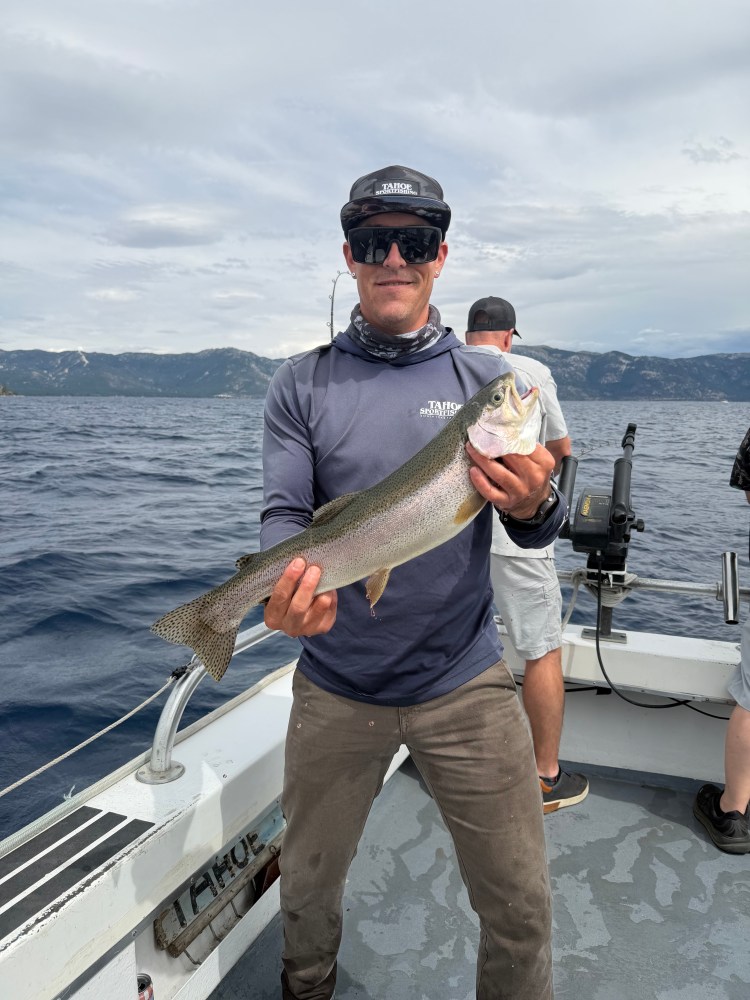
Rainbow trout are one of the most recognizable freshwater fish in North America. Known for their vibrant colors and energetic fight, they are a favorite among anglers.
Rainbow trout get their name from the distinctive pink or red stripe that runs along their sides, paired with a silver body that shines brightly in the clear waters of Lake Tahoe.
When hooked, rainbow trout are famous for their speed and acrobatic jumps. They often leap from the water in an attempt to shake the hook, creating an exciting experience for anglers.
In Lake Tahoe, rainbow trout are typically found closer to the surface compared to deeper species like Mackinaw. They often move through areas where baitfish are present and can provide fast action during certain seasons.
Brown Trout: Powerful and Elusive
Brown trout are less common in Lake Tahoe but are highly respected among anglers for their size and challenging nature.
Unlike the bright coloration of rainbow trout, brown trout tend to have darker tones with golden-brown bodies and distinctive black and red spots.
These fish are known for being cautious and selective feeders. Brown trout often prefer structure such as rocky ledges, underwater drop-offs, and shaded areas where they can ambush prey.
Because of their wary behavior, catching a large brown trout is considered a special accomplishment for many anglers.

Differences in Behavior
While both species live in Lake Tahoe, their behavior can differ significantly.
Rainbow trout are generally more aggressive feeders and may strike lures quickly when conditions are right. Their energetic nature makes them exciting to catch, especially for anglers who enjoy fast-paced action.
Brown trout tend to be more patient predators. They often wait for the right moment to ambush baitfish and can be more selective when it comes to lures or bait.
This difference in behavior makes each species a unique challenge.
Where They Live in Lake Tahoe
Lake Tahoe’s incredible depth—reaching over 1,600 feet in some areas—creates a variety of habitats for trout.
Rainbow trout are often found higher in the water column and may move closer to shore depending on water temperature and food availability.
Brown trout tend to prefer structure and deeper areas where they can hide and hunt.
Both species benefit from Tahoe’s cold, oxygen-rich water, which supports healthy trout populations.
Which Trout Is Harder to Catch?
Many anglers consider brown trout the more challenging species because of their cautious behavior and tendency to avoid poorly presented bait.
Rainbow trout, while still challenging, are often more aggressive and willing to strike.
However, both species provide exciting fishing experiences and are a welcome surprise during a Lake Tahoe fishing trip.
Experience Trout Fishing on Lake Tahoe
Fishing on Lake Tahoe offers anglers the opportunity to encounter a variety of trout species, each with its own personality and challenge.
Whether it’s the explosive strike of a rainbow trout or the rewarding catch of a rare brown trout, every trip provides a chance to experience the lake’s incredible fishery.
Tahoe Sportfishing captains spend hundreds of days each year on the lake and know where these fish are feeding throughout the seasons.
If you’re ready to experience trout fishing on one of the most beautiful lakes in the world, join us on the water.
Book your Lake Tahoe fishing charter and discover why anglers return to Tahoe year after year.